Ukraine: Reconstruction as a Path to European Integration
The war in Ukraine has reshaped global alliances, forcing Western governments to confront not only the challenge of winning peace but also the immense task of rebuilding a nation shattered by conflict. Will Europe take the lead in financing and managing Ukraine’s reconstruction, or will the United States step forward to define the next phase of transatlantic responsibility?
UKRAINE
Aiym Seidakhmet
12/23/20254 min read
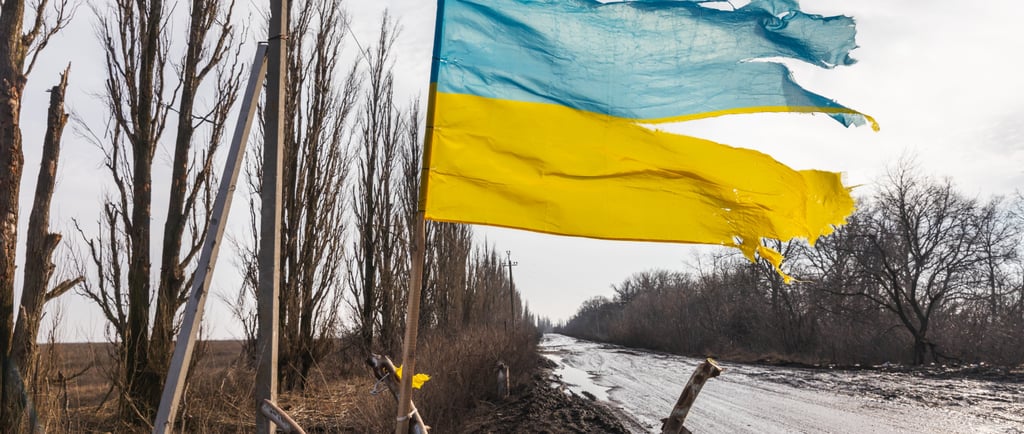
Western governments continue to debate how Ukraine will be rebuilt once the conflict ends. Officials in Washington and across Europe acknowledge that Ukraine will require long-term economic assistance, although they have not agreed on who will take the lead. Analysts say the scale of the damage, combined with the political and legal issues surrounding frozen Russian assets, has created a complex policy dispute that is likely to shape transatlantic relations for many years.
International financial institutions estimate that Ukraine will need hundreds of billions of dollars to restore basic infrastructure, public services, and private industry. Bridges, power stations, residential buildings, and transport networks have experienced repeated damage. Ukrainian officials have stated that the government cannot manage reconstruction without broad international support. They argue that early planning is necessary in order to stabilize the economy and to prevent long-term humanitarian consequences.
The question of frozen Russian assets has become central to the debate. Western sanctions introduced after the invasion immobilized large volumes of Russian central bank reserves and other state-owned funds. European Union officials have said that they favor using the interest generated by these assets to support Ukraine. They argue that this method avoids direct legal conflict with international financial rules while still providing a predictable revenue stream. According to European officials, transferring the principal amount carries the risk of violating international law and may undermine confidence in European financial institutions.
Officials in the United States have taken a broader position. Several policymakers in Washington have explored options that could allow the transfer of some frozen Russian assets directly to Ukraine. Supporters of this approach argue that Russia is responsible for the damage caused by the conflict and should carry part of the financial burden. Legislators in the United States have discussed domestic legal mechanisms that could authorize such transfers. Some legal experts have warned that any decision to seize state assets could create long-term risks for the global financial system and may influence how other governments treat United States assets in the future.
European governments highlight that Europe will remain Ukraine’s closest political and economic partner. They argue that Europe has already provided significant humanitarian support, macro-financial aid, and military deliveries. Officials in Brussels have said that Europe faces many of the economic effects of the conflict and that long-term regional stability depends on Ukraine’s recovery. They state that the European Union will have to assume a leading role in reconstruction, both for strategic reasons and due to geographical proximity.
At the same time, Europe faces internal pressures. Several European governments are managing domestic debates over budget priorities and rising public spending. Analysts say that public opinion within some member states may influence the scale of future assistance. These political constraints could limit the resources available for reconstruction, even if governments acknowledge the importance of supporting Ukraine.
The United States has provided substantial military assistance and financial support to Kyiv since the beginning of the conflict. Officials in Washington have said that the United States intends to remain engaged in Ukraine’s recovery. Analysts have noted that political divisions within the United States may affect long-term commitments. Future decisions by Congress or the executive branch could influence funding levels and the scope of American involvement.
International financial institutions are expected to coordinate major elements of the reconstruction plan. The World Bank, the International Monetary Fund, and the European Bank for Reconstruction and Development have experience with postconflict recovery and institutional reform. These organizations are likely to establish oversight mechanisms, set transparency requirements, and guide economic reforms. Ukrainian officials have expressed readiness to work with these institutions in order to secure stable funding.
Reconstruction involves more than rebuilding infrastructure. Ukraine will need to strengthen public institutions, modernize regulatory frameworks, and create conditions that encourage private investment. European officials have said that reconstruction should complement Ukraine’s progress toward potential European Union membership. They argue that alignment with European standards will support economic growth and provide long-term stability. This approach will require political consensus within the European Union and sustained reforms in Ukraine.
Private sector participation will also influence the reconstruction effort. Several international companies have expressed interest in future projects related to energy, construction, and agriculture. However, investors are waiting for clearer security conditions and legal guarantees. Analysts state that many firms will seek financial risk-sharing mechanisms from Western governments or international institutions before committing to major projects.
Coordination between the United States and Europe remains essential. Officials on both sides of the Atlantic have said that a unified approach would reduce duplication and improve oversight. Analysts warn that an uncoordinated reconstruction plan could slow progress and create opportunities for external actors to expand their influence in the region. Western governments continue to discuss frameworks that could formalize shared commitments. These discussions include questions related to the management of frozen assets, the division of financial responsibilities, and the structure of monitoring systems.
Ukrainian leaders continue to emphasize the urgency of clear decisions. They argue that delays in funding may hinder the recovery of critical infrastructure, including energy systems that are essential for daily life and industrial production. Ukrainian officials have urged Western partners to establish transparent mechanisms that allow funds to reach reconstruction projects effectively.
The final structure of Ukraine’s reconstruction will depend on political decisions in Washington, Brussels, and other European capitals. Analysts say that Europe is likely to lead long-term economic recovery due to its proximity and its political relationship with Ukraine. The United States is expected to maintain a significant role in security assistance and selected financial contributions. The status of frozen Russian assets remains an unresolved issue that will influence the balance of responsibilities.
The scale of Ukraine’s needs means that reconstruction will extend over many years. It will require coordination between governments, international institutions, and private investors. Western officials have said that they intend to support Ukraine, although the precise terms of that support are still under negotiation. Until those decisions are finalized, the question of who will rebuild Ukraine remains open, and discussions continue across Western capitals.