Iran: War Erupts As Khamenei Killed
The killing of Ayatollah Khamenei by an Israeli-American airstrike has set in motion a chain of events with no clear end, reshaping the strategic landscape of the Middle East and sending shockwaves through the global economy. As the Islamic Republic mobilises every instrument of retaliation at its disposal, one question demands an answer: how far is the West prepared to go, and at what cost?
IRAN
Augustus Redman
3/1/20265 min read
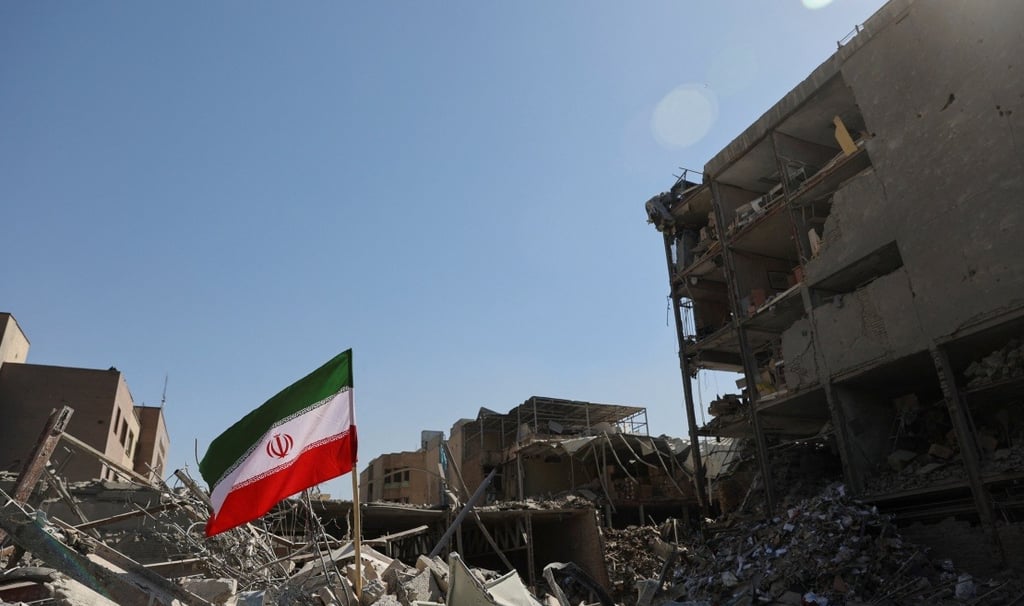
The supreme leader of Iran, Ayatollah Khamenei, has been killed in an Israeli-American airstrike. Dozens of other American airstrikes have also hit Iran. This is the most consequential event in the Islamic Republic's history since the revolution itself in 1979.
The Islamic Republic will hit back at the US and its allies with everything it has. As the author predicted in his earlier assessment of the Iranian situation, US bases across the Middle East have been hit, regardless of whether they or their host nations aided the strikes or not. These have included Jordan, Saudi Arabia, Kuwait, Bahrain, Qatar and the UAE. Critically, however, this has expanded beyond US military bases. Iranian drone and missile strikes have targeted hotels in Dubai, the French naval base in Abu Dhabi and the British air bases on Cyprus. None of these bases and countries had any part in the strikes on Iran or the killing of Khamenei, but the message from the Islamic Republic is that even being aligned with the US has consequences.
The assassination of the Supreme Leader, along with dozens of other Iranian officials, is such a monumental event that the regime cannot simply respond by launching a handful of missiles at Israel and declaring successful revenge. The regime needs to make the West actively appear punished. This punishment (and subsequent economic fallout) is unlikely to arrive suddenly all on Monday. The IRGC (now almost certainly taking de-facto charge of state affairs) needs time to reorganise the government and coordinate their proxies. These initial attacks have been undertaken not only to immediately save face politically, but also to test Western and Gulf state defences. The long-term actions Iran will take in retaliation are the targeting of Israel by Hezbollah in Lebanon, the sabotaging and potential closure of the Strait of Hormuz, and the harassment of shipping in the Red Sea.
On Saturday, the 27th of February, IRGC naval forces issued an order over radio to foreign merchant vessels stating that the strait was closed for all traffic, although no official announcement of the closure has come from any Iranian government body yet. Two oil tankers have already been hit by Iranian strikes, allegedly along with an Emirati oil rig (reports are still incoming as of time of writing). Per the Financial Times, insurers are set to cancel policies en masse for ships going through the strait, with premiums for Hormuz-bound vessels expected to rise by 50% in the coming days. Unconfirmed reports of Houthi commanders pledging action in the Red Sea have been made, and it is highly likely that Iran will deploy them in service of causing as much damage to the global economy (primarily Western economies) as possible. Houthi actions in the Red Sea will prove much more long-lasting than a Hormuz Strait closure because, due to its narrow size, US naval and air assets can patrol, control and ensure the safety of the strait, while the Red Sea is much larger and harder to control on a mile-by-mile basis. Closure of the strait also closes off Iran's own (largely sanctioned and illegal) oil exports, which constitute around one third of the state's revenue. Iran can launch drone and missile attacks on shipping, conduct raids by fast attack boat, mine the strait and even possibly attack by submarine. Iran cannot fully close the strait, however, as the US Navy is vastly more powerful and can escort shipping, conduct minesweeping operations and destroy launch sites and naval bases. Hormuz closure will last between several days to a few weeks at the absolute most. Red Sea strikes and harassment could last for months.
The strikes on Iran were carried out on a Saturday, thus giving investors some time to react and plan accordingly. Monday's open will likely see a sharp rise in Brent and WTI, a small to moderate rise in gold, and a severe spike in shipping insurance premiums for vessels destined for the Strait of Hormuz. Premiums for shipping in the Red Sea will also likely spike when the first new Houthi attacks are confirmed. Equities are likely to drop somewhat, as are obviously Middle Eastern airline stocks, along with general service industry and luxury-focused companies in the UAE, Bahrain and Qatar. The Islamic Republic will want to conduct the maximum possible damage, and will thus want to drag retaliation out for as long as possible. We are therefore likely to expect a pattern of staggered retaliation from Iran: US military bases and civilian targets hit first to politically save face, then more attacks on shipping in the Strait of Hormuz for days or weeks, followed by the restarting and intensification of Houthi attacks in the Red Sea. The previous years' attacks were focused on shipping belonging to countries supplying arms to Israel, but given Iran's actions of attacking Gulf states merely aligned with the US (and not even necessarily Israel), mass and indiscriminate attacks on Western and Western-aligned shipping in the Red Sea are to be expected. Insurance premiums for shipping are likely to spike for some time, weeks at the very least, for the Strait of Hormuz, and possibly months for the Red Sea. Gold will likely see continual rises, and volatility will persist with equities, though energy and defence stocks will, of course, outperform. Gulf currencies will also likely be under pressure.
In the long term, regime change is still unlikely. Even if Iran is stripped of its military capabilities through strikes and counter-strikes, it will still possess the capabilities needed to crush dissent at home. The regime has shown no sign of infighting or confusion, and it will rally around its martyred Supreme Leader as a call to arms. Those in the police, militia, clerical and military establishment who may have had some qualms about gunning down protestors will likely lose said qualms. The country will be on a war footing, probably instituting martial law, and any protests in the coming weeks and months will be tainted with the reputation of being rhetorically and militarily Western-backed. The weapons Iran will be expending are ones meant for striking large areas and large buildings, such as missiles and drones. It will not lose the weapons or men needed to quell protests, which is a matter of boots on the ground: rifles, bullets and morale. Ballistic missiles cannot stand on street corners to enforce no-assembly edicts.
That said, all possibility of long-term liberalisation has been lost, and Iran's future in the coming years will be that of an isolated bunker state, increasingly reliant on China and Russia for finance. While it previously enjoyed some detente with Saudi Arabia and sanctions-skirting with the UAE, it has decisively burned those bridges by conducting such indiscriminate attacks on Dubai and striking US bases in the Kingdom of Saudi Arabia. The regime is ruling by pure force and terror alone, and cannot bribe its population with market reform and increases in living standards as other authoritarian governments have attempted following periods of internal unrest. Numerous videos have emerged from Tehran depicting not street protests, but rows upon rows of civilians cheering and clapping from their balconies and windows, launching fireworks and blowing trumpets and whistles, all in celebration of Khamenei's death. However, just because the population despises its government and serves only under coercion, it does not mean that the regime's downfall is imminent. It does mean, however, that the regime's lifespan is limited. What we have witnessed bears resemblance to the 1956 Hungarian Revolution, in which a nationwide revolt arose against communist governance and Soviet control, resulting in a full-scale military invasion by the USSR with tanks, artillery and infantry fighting brutal street battles, ending in thousands of civilians and hundreds of soldiers killed. Although it took over 40 years for the communist government to fall after that revolution was crushed, that regime enjoyed constant support from the USSR and the relative geographic security that came with it. The Iranian regime enjoys no such guarantee of Russian, let alone Chinese, troops coming to save it from its own people. The regime may have crushed the protests, and may still be able to crush further protests this year, but its days are undoubtedly numbered.